
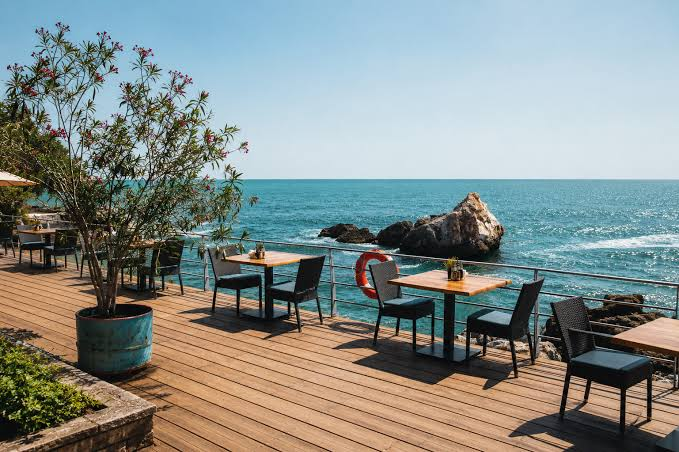
Most people drive down to Alibaug for the beaches. The ones who keep going back do it for the food. A couple of hours south of Mumbai — or a short ferry ride across the harbour to Mandwa — this stretch of the Konkan coast runs on fresh fish, coconut, kokum and rice. It’s Agri-Koli and Malvani home cooking, the kind that rarely reaches a big-city menu in its honest form.
Plan the trip around what’s on the plate rather than what’s on the sand, and Alibaug turns into a proper slow-food weekend. Here’s how to eat well.
Start with sol kadhi, and don’t stop there
Order sol kadhi first. It’s the pale-pink drink of kokum and coconut milk that shows up at almost every coastal table here, tart and cooling and good for settling a stomach that’s about to work hard. After that, the fish does the talking.
A few things worth hunting down:
- Bombil fry — Bombay duck coated in semolina and fried until the edges shatter. Soft inside, crisp outside.
- Surmai (kingfish) either rava-fried in thick steaks or simmered in a red coconut curry.
- Prawns koliwada, spiced and deep-fried, named after the Koli fishing settlements that invented them.
- Tisrya masala — clams cooked dry with coconut, the sort of dish you eat with your hands and a piece of bhakri.
- A full Malvani fish thali, which usually lands with rice, curry, a fried fish of the day, solkadhi and rice bhakri, and is the single best-value meal on the coast.
Vegetarians aren’t stranded either. Look for ukdiche modak (steamed rice-flour dumplings filled with jaggery and coconut), alu vadi made from colocasia leaves, and seasonal ambe dal when raw mango is around.
Buy the catch where the boats come in
The best fish here never reaches a restaurant. It goes straight from the boat to the local market. The fishing villages around Sasawane, Mandwa and Revdanda sell the morning haul by the kilo — pomfret, surmai, bangda (mackerel), prawns, sometimes crab if the nets were kind.
Go early. By mid-morning the good stuff is gone and the prices have settled for the day. If you’ve never bought whole fish before, the sellers will happily clean and cut it for you, and they know their catch better than any menu does.
The case for cooking at least one meal yourself
This is where a food trip to Alibaug quietly beats a food trip almost anywhere else: you can buy the day’s catch in the morning and eat it, cooked the local way, by lunch.
The reason is where you stay. A hotel room ties you to a restaurant menu and a fixed dinner time. A private villa with its own kitchen doesn’t. Groups renting luxury villas in Alibaug often bring back a bag of fresh fish from the market and have it turned into a Malvani spread right there, either cooking it themselves or with the help of a caretaker or local cook that many of these properties provide on request. A pot of fish curry, rice on the side, cold sol kadhi, everyone eating on a lawn or by the pool — that’s the meal people actually remember from the weekend.
It also solves the group problem. When you’re travelling with eight or twelve people, coordinating a restaurant table for every meal gets old fast. Having a kitchen means breakfast when you wake up, seafood for lunch, and something lighter at night without anyone getting in a car.
Snacks, sweets and the in-between bites
Some of the best eating on the Konkan coast happens between meals. Kombdi vade — spiced chicken curry with soft fried puris — is a Malvani classic worth a detour. On the beach in the evening you’ll find roasted corn brushed with lime and chilli, and fresh coconut water cut open in front of you.
Time your visit right and the fruit alone is worth the drive. Alphonso mangoes from the Konkan belt hit their peak from April into early June, and a kokum sherbet on a hot afternoon does more for you than any cold drink from a bottle.
A simple food-first weekend
Friday evening: Arrive, settle in, and keep dinner easy with a nearby Malvani thali so you’re not cooking on day one.
Saturday: Early market run for fish, a long cooked lunch back at your stay, beach and a nap in the afternoon, then street snacks around sunset.
Sunday: A slow breakfast, one last proper thali or a seafood lunch on the way out, and mangoes for the road if they’re in season.
Alibaug rewards travellers who slow down and eat like locals. Come hungry, buy your fish in the morning, and give yourself a kitchen to use.
Frequently Asked Questions
What food is Alibaug known for?
Alibaug sits on the Konkan coast, so it’s best known for Agri-Koli and Malvani seafood — fried bombil, surmai curry, prawns koliwada, clam masala and fish thalis, all built around coconut, kokum and rice. Sol kadhi is the signature drink.
Can I buy fresh fish in Alibaug to cook myself?
Yes. Local markets in the fishing villages around Sasawane, Mandwa and Revdanda sell the morning catch by the kilo and will clean and cut it for you. Arrive early for the best selection.
Where should I stay for a food-focused trip?
A stay with its own kitchen makes the biggest difference, since it lets you cook the catch you buy that morning. Private villas with kitchens and on-request cooks are ideal for groups who want to eat the local way without being tied to restaurant hours.
When is the best time to visit Alibaug for food?
October to March brings the most comfortable weather for eating out and exploring. If you’re there for the mangoes, aim for April to early June, when Konkan Alphonsos are in season.
Is there vegetarian food in Alibaug?
Plenty. Beyond seafood, the region does ukdiche modak, alu vadi, seasonal ambe dal and a range of coastal vegetable preparations, alongside the usual Maharashtrian thali staples.
